 Education & Support
Schools worldwide are expanding support programs amid increasing recognition of autism, but systemic gaps persist in translating physical integration into true inclusion. Emerging research points to promising strategies — from addressing school avoidance to valuing autistic educators — while underscoring the need for adequate resources and trained staff.
Frontiers · Karolinska institutet · researchgate.net · 3 days ago✦ 66/100
 Education & Support
Recent research underscores the role of augmentative and alternative communication (AAC) tools in supporting nonspeaking autistic individuals, with evidence that these methods enhance communication without systematically delaying speech development. Findings also emphasize the need for adapted literacy instruction, better classroom integration, and individualized approaches to AAC implementation.
Frontiers · tandfonline.com · autism.org · 6 days ago✦ 57/100
 Education & Support
School districts are adding specialized supports for autistic students as diagnoses rise due to broader recognition, updated criteria, and potential increases in occurrence. Governments acknowledge systemic gaps, while research identifies school avoidance, educator attitudes, and lack of autistic input as barriers. Tailored strategies, training, and community collaboration emerge as key to meaningful inclusion.
Frontiers · Wvia public media · Karolinska institutet · 1 week ago✦ 69/100
 Education & Support
Recent studies are reshaping approaches to augmentative and alternative communication (AAC) for autistic individuals who do not use spoken language, emphasizing trained communication partners and neurodiversity-affirming practices. High-tech AAC devices and AI tools show potential when integrated with respect for individual autonomy.
Frontiers · neuroregulation.org · PubMed · 1 week ago✦ 75/100
 Education & Support
Schools worldwide are expanding autism supports amid improved diagnostic recognition, but new studies highlight systemic barriers to meaningful inclusion — from unmet support needs driving school avoidance to safety risks in under-resourced classrooms. While peer-mediated strategies show promise, the balance between inclusive and specialized settings remains contested.
Frontiers · Wvia public media · Karolinska institutet · 1 week ago✦ 56/100
 Education & Support
While inclusive education policies for autistic students have expanded globally, recent research highlights persistent gaps in implementation. Key issues include inadequate sensory accommodations, insufficient teacher training, and resource shortages, contributing to elevated school withdrawal rates. Emerging evidence suggests peer-mediated interventions and neurodiverse educators may help, though large-scale validation is needed.
Frontiers · Karolinska institutet · PubMed · 2 weeks ago✦ 73/100
 Education & Support
Augmentative and alternative communication (AAC) tools enhance social communication for autistic children with complex communication needs, yet studies reveal persistent disparities in access and implementation. Emerging findings show varied effectiveness across AAC types, classroom impacts on usage, and ongoing gaps in literacy instruction for this population.
Frontiers · chla.org · PubMed · 3 weeks ago✦ 72/100
 Education & Support
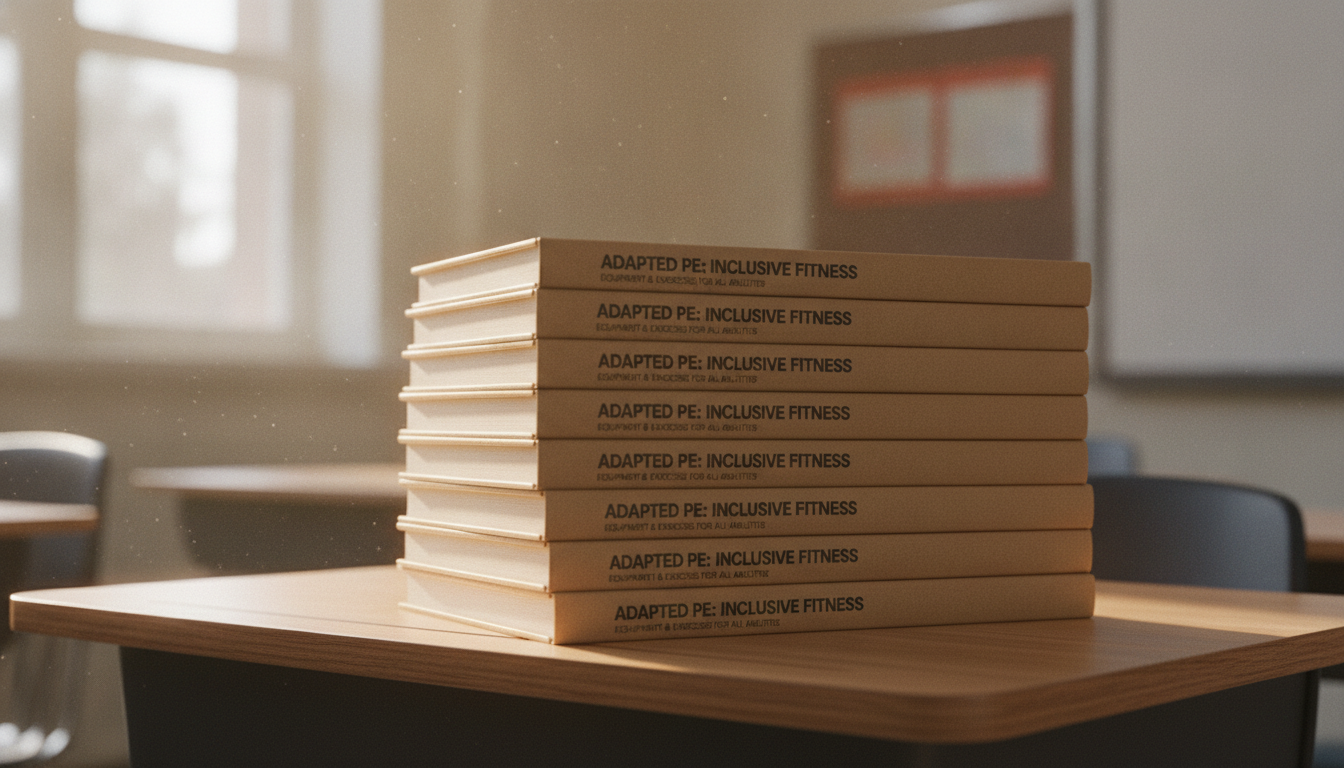
A 2025 University of Alberta study analyzing undergraduate adapted physical education textbooks reveals significant disparities between how autism is presented in these materials and the perspectives of autistic self-advocates, who emphasize acceptance and accommodation over cure-focused approaches. The findings contribute to ongoing discussions about integrating neurodiversity principles into professional training.
University of alberta · PubMed · Autistic self advocacy network · 3 weeks ago✦ 62/100
 Education & Support
Education systems in Ireland, Sweden, and Pennsylvania are piloting neurodiversity-informed supports, from Ireland's flexible ['inclusive special' classes](https://www.irishexaminer.com/opinion/commentanalysis/arid-41882131.html) to Sweden's teacher training reforms. However, a [2026 PMC meta-analysis](https://pmc.ncbi.nlm.nih.gov/articles/PMC12618732/) of 42 studies cautions that success hinges on individualized adaptations and centering autistic voices—a practice still rare in policy design.
Irish examiner · Wvia public media · Karolinska institutet · 3 weeks ago✦ 57/100
 Education & Support
Recent studies demonstrate how augmentative and alternative communication (AAC) methods—from typing-based systems to interactive stimming—are helping nonspeaking autistic individuals express themselves. Advances in literacy instruction and AI-driven tools are further breaking down barriers, while language preferences shape dignity and inclusion.
Frontiers · PubMed · healthychildren.org · 3 weeks ago✦ 68/100
 Education & Support
A 2025 study analyzing undergraduate adapted physical education textbooks found they often emphasize deficit-based frameworks, while autistic advocates prioritize accommodations and societal support. The [University of Alberta research](https://www.ualberta.ca/en/folio/2025/01/study-uncovers-disparity-between-textbooks-self-advocates-autism.html) suggests educators could benefit from integrating neurodiversity-affirming approaches.
University of alberta · Nonprofit quarterly · Verywell mind · 3 weeks ago✦ 75/100
 Education & Support
International studies and institutional reports document ongoing challenges in meeting autistic students' needs within mainstream education systems. While evidence shows inclusion benefits autistic learners when appropriately supported, findings reveal significant gaps in teacher training, environmental accommodations, and systemic resource allocation that require targeted reforms.
Frontiers · Karolinska institutet · PubMed · 3 weeks ago✦ 73/100
Education & SupportWhile inclusive education models show benefits for autistic students when properly supported, recent analyses reveal systemic implementation gaps. Key issues include environmental barriers to attendance, insufficient educator training, and safety concerns in under-resourced settings—highlighting the need for neurodiversity-affirming reforms.
Frontiers · Karolinska institutet · tandfonline.com · 1 month ago✦ 67/100
 Education & Support
Recent peer-reviewed studies demonstrate that AAC devices meaningfully improve communication access for nonspeaking autistic individuals, with emerging evidence about high-tech tool benefits. Research continues to disprove concerns about speech development interference while documenting persistent demographic disparities in device access.
Frontiers · Psychology today · neuroregulation.org · 1 month ago✦ 75/100
 Education & Support
Inclusive education for autistic students shows social and academic benefits, but implementation gaps persist in teacher training, resource allocation, and individualized strategies. Emerging research highlights systemic barriers like sensory overload and support gaps, while autistic educators remain an underutilized resource. Evidence-based adaptations offer promise, but systemic change is needed to align policy with lived experiences.
Frontiers · The conversation · Karolinska institutet · 1 month ago✦ 66/100
 Education & Support
Inclusive education benefits autistic students when properly supported, but gaps in teacher training, sensory accommodations, and individualized planning persist globally, according to recent studies and policy reports. This article examines evidence-based strategies and structural barriers.
Frontiers · PubMed · tandfonline.com · 1 month ago✦ 69/100
 Education & Support
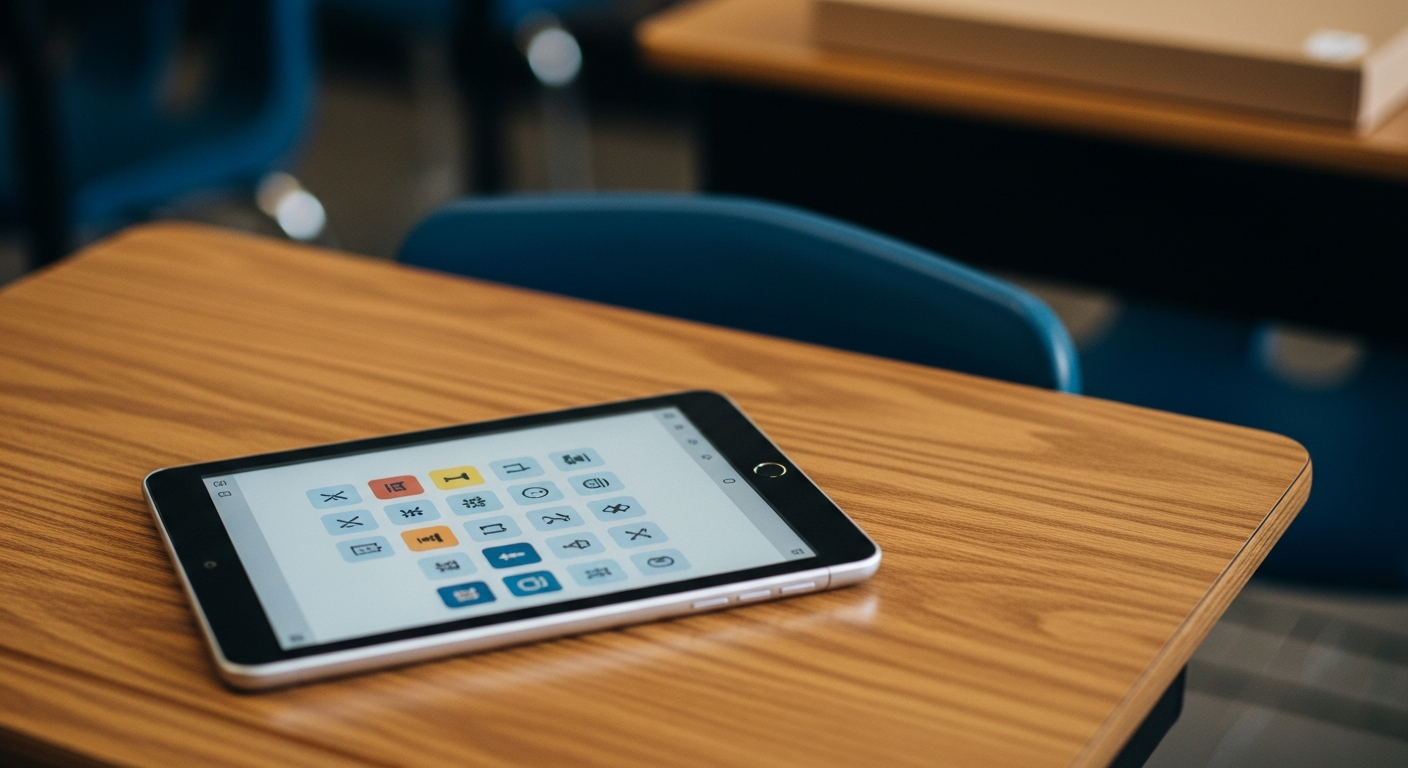
Recent research underscores persistent inequities in access to augmentative and alternative communication (AAC) tools for nonspeaking autistic children, with white families far more likely to have devices than non-white families. Emerging evidence also shows telepractice can match in-person therapy outcomes in specific contexts, while peer-mediated strategies boost engagement. Experts emphasize presuming competence and addressing systemic barriers.
pubs.asha.org · newswise.com · tandfonline.com · 1 month ago✦ 73/100
 Education & Support
Autistic students worldwide encounter persistent barriers in educational settings, including systemic exclusion from attendance, insufficient support systems, and a lack of autistic representation among educators. Emerging research highlights effective inclusion strategies, but their implementation remains inconsistent across schools and countries.
Frontiers · Autism spectrum news · The conversation · 1 month ago✦ 60/100
 Education & Support
While recognition of autism in education has increased, recent studies and reports show persistent barriers to accessible education for autistic students. Key issues include school refusal due to inaccessible environments, inadequate safety measures, and debates over inclusive versus segregated classrooms. Autistic educators highlight systemic change needs, but progress remains slow.
Frontiers · Wvia public media · The conversation · 1 month ago✦ 64/100
 Education & Support
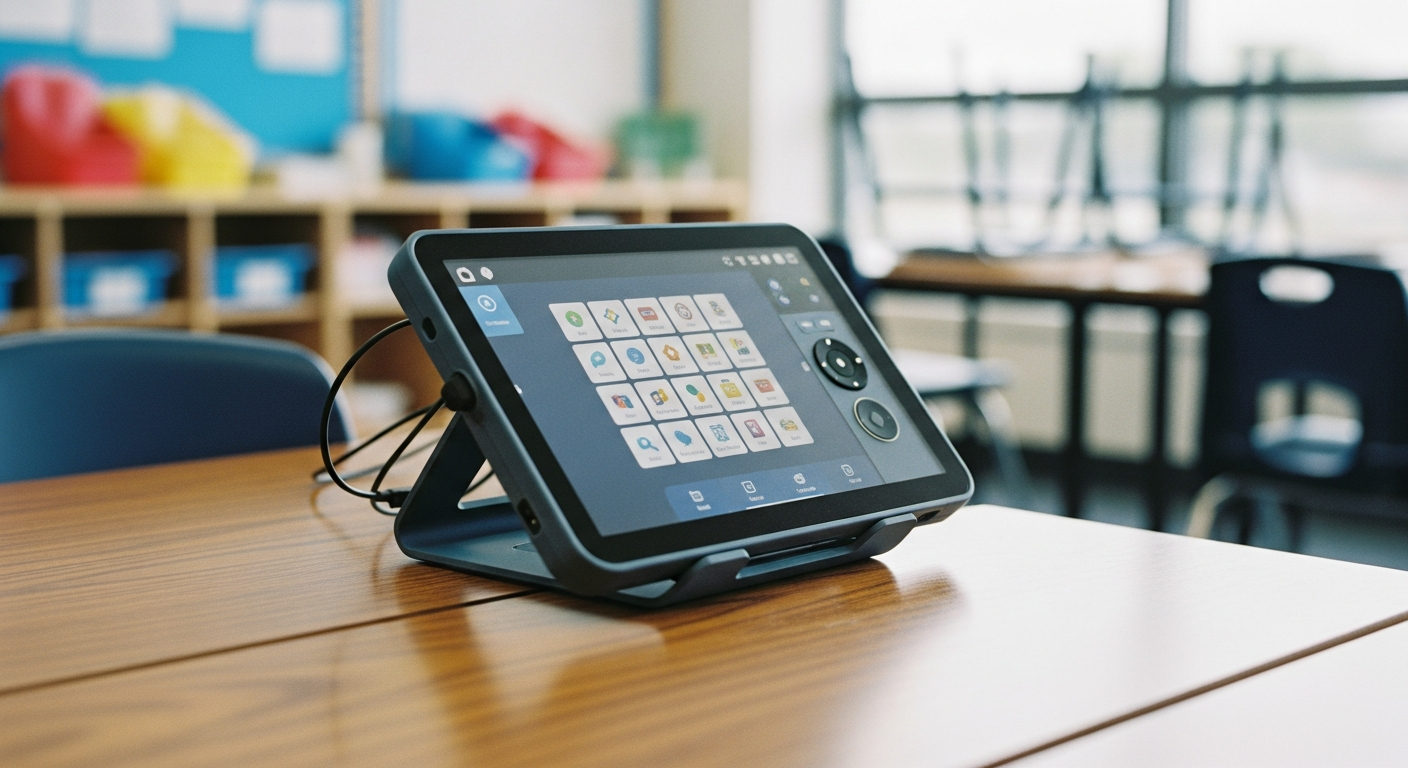
Recent studies highlight the role of augmentative and alternative communication (AAC) devices in supporting autistic individuals with complex communication needs, alongside persistent barriers to access. Preliminary findings suggest high-tech AAC may offer social communication advantages over low-tech options for some users, though optimal solutions vary individually. Disparities in device access — with preliminary data suggesting white families may be more likely to obtain AAC supports — underscore systemic inequities in autism services. Meanwhile, peer training initiatives and emerging (though not yet validated) AI tools are expanding the conversation about inclusive communication strategies.
autism.org · tandfonline.com · newswise.com · 1 month ago✦ 62/100