 Lived Experience
Research is increasingly examining the potential mental health impacts of 'camouflaging' or masking autistic traits, with some studies noting associations with burnout, depression, and suicidal thoughts—particularly among autistic women and gender-diverse individuals. Findings highlight how social stigma and cultural contexts may influence these patterns.
Frontiers · Nature · ScienceDirect · 5 days ago✦ 73/100
 Lived Experience
A growing number of autism organizations, researchers, and healthcare systems are recognizing the importance of autistic self-advocacy and neurodiversity principles in shaping research, policy, and care. However, tensions remain over how to best address the needs of autistic individuals with high support needs and those who are non-speaking.
Autistic self advocacy network · Autism society · spectrumbrief.com · 6 days ago✦ 66/100
 Lived Experience
Emerging research highlights how sensory processing differences, a common aspect of autism, influence social connections, emotional regulation, and relationship experiences. Findings point to neurobiological markers, cultural variations in social understanding, and the need for personalized support approaches.
Frontiers · Psypost · Nature · 6 days ago✦ 75/100
 Lived Experience
Recent research investigates the mental health consequences of autistic masking—strategies used to navigate social expectations—highlighting links to burnout while emphasizing the need for societal shifts and better support systems.
Frontiers · Nature · PubMed · 1 week ago✦ 73/100
 Lived Experience
Autistic self-advocates are driving a paradigm shift in autism research and support, with major organizations affirming community-centered approaches and rejecting cure-focused agendas. Peer-reviewed studies and institutional statements highlight the gap between traditional clinical perspectives and autistic lived experience, while late-diagnosed individuals document transformative journeys from shame to advocacy.
Autistic self advocacy network · Nonprofit quarterly · University of alberta · 1 week ago✦ 75/100
 Lived Experience
Emerging research indicates that prolonged efforts by autistic individuals to mask or camouflage their traits—a common adaptation to neurotypical social expectations—are associated with increased burnout, anxiety, and depression. Findings expand understanding beyond gender binaries and underscore cultural variations in masking behaviors.
Frontiers · PubMed · ScienceDirect · 2 weeks ago✦ 67/100
 Lived Experience
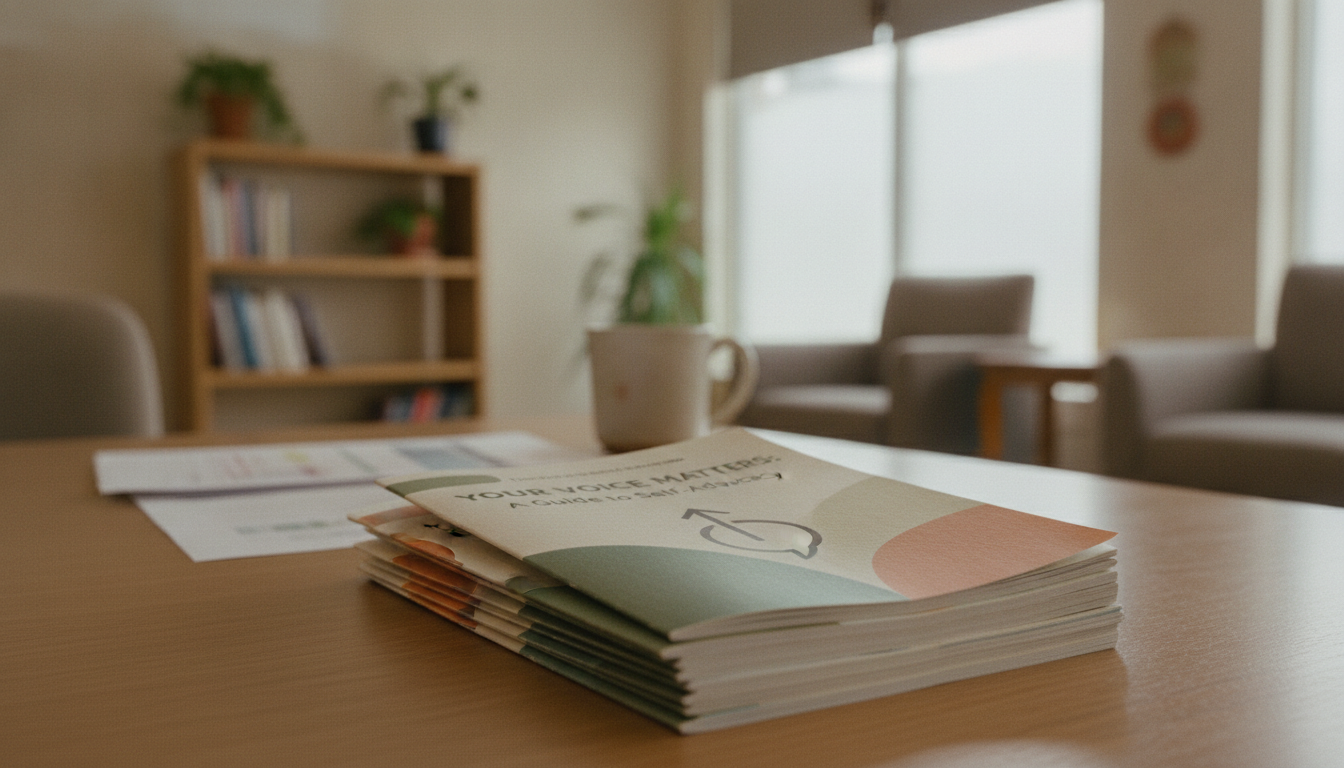
A growing consensus among researchers and advocacy groups emphasizes the need to center autistic lived experience in autism research and support. Joint statements, academic studies, and institutional initiatives highlight the importance of rejecting stigma, recognizing autistic burnout, and prioritizing accommodations over curative approaches. However, challenges remain in diagnostic practices, representation authenticity, and power-sharing with historically marginalized subgroups.
Autism spectrum news · Verywell mind · Autistic self advocacy network · 2 weeks ago✦ 76/100
 Lived Experience
Emerging research highlights associations between autistic masking (strategies to minimize visible autistic traits in social contexts) and experiences of burnout, anxiety, and depression. Women and those diagnosed later in life report these effects more frequently, with qualitative data suggesting masking demands substantial cognitive effort that may contribute to chronic exhaustion.
Frontiers · PubMed · ScienceDirect · 2 weeks ago✦ 74/100
 Lived Experience
Studies reveal that autistic individuals face elevated rates of suicidal ideation and suicide death compared to non-autistic peers, with modifiable factors like depression, social isolation, and barriers to care playing key roles. Tailored prevention strategies are needed to address these challenges.
Frontiers · Psypost · PubMed · 3 weeks ago✦ 67/100
 Lived Experience
Emerging research examines the mental health implications of autistic masking, or camouflaging, with particular attention to how gender and cultural contexts shape these experiences. Findings associate masking with increased risks of burnout, anxiety, and depression, while also acknowledging its complex role as a coping strategy.
Frontiers · ScienceDirect · PubMed · 3 weeks ago✦ 68/100
 Lived Experience
Emerging research examines the mental health impacts of autistic masking, noting associations with burnout and emotional distress. Women and culturally diverse individuals may experience heightened effects due to societal expectations.
Frontiers · ScienceDirect · PubMed · 4 weeks ago✦ 72/100
Lived ExperienceA growing body of research and policy initiatives is centering autistic self-advocacy and neurodiversity principles, moving away from normalization-focused approaches. While progress is evident in clinical guidelines and research priorities, disparities persist between institutional materials and autistic voices.
Sage journals · University of alberta · Frontiers · 4 weeks ago✦ 64/100
Lived ExperienceEmerging research highlights how sensory processing differences—a core feature for 53-95% of autistic individuals—affect adult well-being, social interactions, and even aesthetic preferences across cultures. Key findings include links to sexual distress, early neurobiological markers, and cultural variations in understanding autistic traits.
Psypost · Nature · ScienceDirect · 4 weeks ago✦ 72/100
 Lived Experience
Emerging research examines connections between autistic masking (strategies to minimize visible autistic traits in social contexts) and burnout, with heightened correlations for anxiety, depression, and suicidal ideation. Women and gender-expansive individuals report greater pressures to conform, while cultural factors may influence masking behaviors. Findings highlight needs for accommodations and earlier support.
Frontiers · PubMed · ScienceDirect · 1 month ago✦ 69/100
 Lived Experience
Recent studies and advocacy movements are challenging outdated, deficit-based models of autism, emphasizing the importance of centering autistic lived experience. Peer-reviewed research shows persistent disparities between clinical depictions and self-advocate perspectives, with neurodiversity-affirming care models gaining traction. Autistic burnout and stigma reduction emerge as key priorities.
Sage journals · University of alberta · ajod.org · 1 month ago✦ 59/100
 Lived Experience
Research indicates that autistic individuals who frequently camouflage their traits—such as suppressing self-stimulatory behaviors (stimming), forcing eye contact, or mimicking neurotypical social patterns—may face higher risks of severe burnout. The findings highlight how cultural norms and gender differences influence masking behaviors.
PubMed · ScienceDirect · journals.sagepub.com · 1 month ago✦ 74/100
 Lived Experience
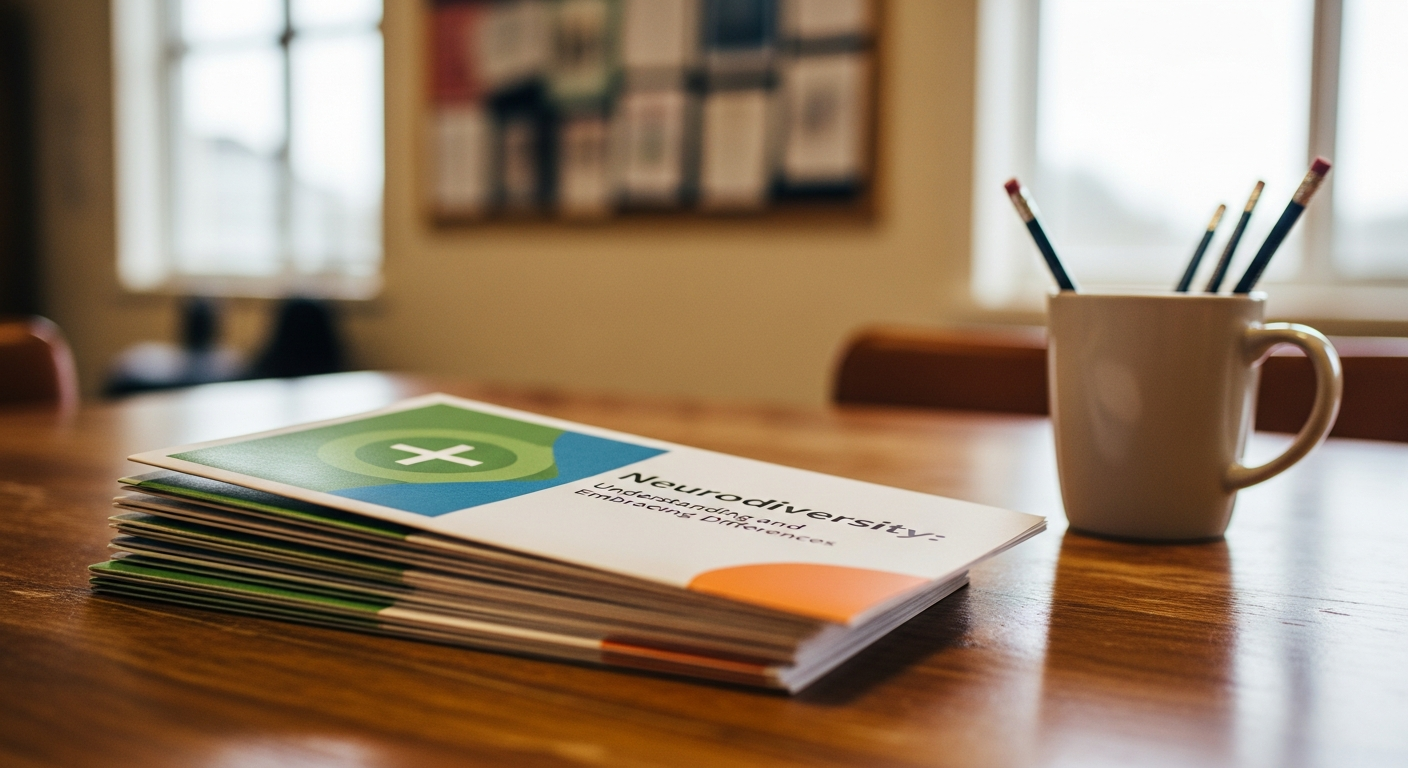
A wave of research and advocacy is transforming how autism is understood and supported, with autistic self-advocates leading the charge toward neurodiversity-affirming care models. Recent studies reveal gaps in traditional autism representation, while practical tools and joint statements from major organizations signal a shift toward community-centered priorities.
Sage journals · University of alberta · Autistic self advocacy network · 1 month ago✦ 74/100
 Lived Experience
Emerging research confirms that autistic masking—suppressing natural traits to conform to social norms—strongly correlates with burnout, characterized by severe fatigue and functional impairment. The findings underscore the need for neurodiversity-affirming support, especially for women and gender-diverse individuals.
ScienceDirect · PubMed · journals.sagepub.com · 1 month ago✦ 72/100
 Lived Experience
A growing body of research and advocacy efforts is challenging traditional approaches to autism, emphasizing the need to center autistic voices in research, policy, and practice. Recent studies reveal gaps between some academic portrayals of autism and self-advocate perspectives, while new tools and roundtables aim to empower autistic individuals in healthcare and policy settings.
University of alberta · PubMed · Nonprofit quarterly · 1 month ago✦ 62/100
 Lived Experience
Emerging research strengthens the connection between autistic masking—modifying natural traits to navigate social expectations—and long-term burnout. Findings highlight cultural and gender variations in masking behaviors, challenging earlier assumptions that focused primarily on women. The cognitive and emotional costs of masking are now widely recognized, with implications for mental health support and workplace accommodations.
ScienceDirect · PubMed · journals.sagepub.com · 1 month ago✦ 78/100