 Therapies & Treatment
Recent regulatory and clinical trial activity highlights efforts to develop medications addressing specific challenges some autistic individuals face, though none modify core autistic traits. The FDA is reviewing leucovorin (folinic acid) for language support in autistic people with cerebral folate deficiency — a rare metabolic condition affecting folate transport to the brain. Other trials investigate vasopressin nasal spray and suramin, but current FDA-approved medications like risperidone only address co-occurring irritability. A 2026 systematic review found most preclinical drug candidates fail in human trials, underscoring the complexity of translating findings from animal models to autistic people.
FDA · clinicaltrials.gov · med.stanford.edu · 4 days ago✦ 66/100
 Therapies & Treatment
Melatonin is increasingly used to support autistic children with sleep difficulties, with studies indicating modest short-term benefits. Experts highlight the need for standardized formulations, age-specific safety data, and prioritization of non-pharmacological approaches. Emerging digital health platforms aim to address evidence gaps in long-term outcomes.
Nature · Science media centre españa · ScienceDaily · 4 days ago✦ 68/100
 Therapies & Treatment
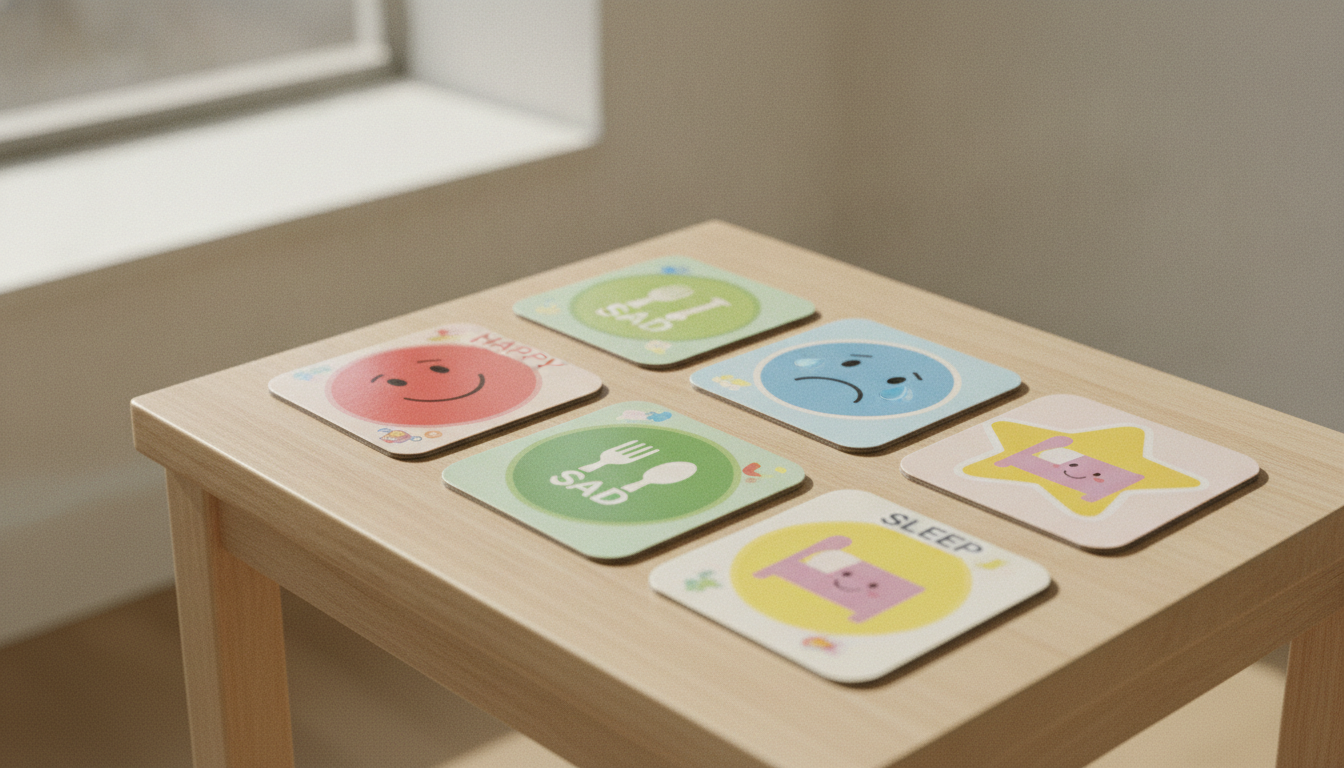
Recent studies affirm that early support helps many autistic children develop communication and social interaction skills, with parent-mediated approaches showing particular promise. The research underscores the importance of individualized goals that respect diverse communication styles and needs.
Frontiers · Drexel · News-medical · 4 days ago✦ 75/100
 Therapies & Treatment
A preliminary study of personalized brain stimulation showed modest benefits for some autistic adults, while research with 2.5 million children confirmed no MMR-autism link. Separate mouse research on inflammation mechanisms highlights the complexity of translating animal findings to human support strategies.
Nature · Cidrap · Ucla health · 5 days ago✦ 74/100
 Therapies & Treatment
Emerging research indicates autistic individuals face higher suicide risk due to societal barriers like depression, social isolation, and trauma — not autism itself. Autistic women who camouflage traits and Black autistic youth experience compounded risks from inadequate support systems. Current suicide prevention programs often fail to address autistic individuals' needs, highlighting urgent gaps in care.
Frontiers · Psypost · PubMed · 6 days ago✦ 75/100
 Therapies & Treatment
Early intervention studies show diverse language outcomes for non-speaking autistic children, with some developing spoken words while others benefit from alternative communication methods. Meanwhile, research identifies unique visual learning patterns in minimally verbal autistic preschoolers. However, this group remains critically underrepresented in studies, limiting development of tailored supports that honor neurodiversity.
Nature · drexel.edu · The transmitter · 1 week ago✦ 77/100
 Therapies & Treatment
The FDA has initiated approval for leucovorin calcium tablets to address cerebral folate deficiency (CFD) in autistic individuals - a metabolic difference where folate transport to the brain is reduced. While this marks progress in targeting specific biological pathways, the drug's off-label use for broader autism-related traits is increasing despite limited clinical evidence. Currently, only risperidone and aripiprazole are FDA-approved for autism-related distress responses, with no medications targeting core social and communication patterns. Research continues exploring repurposed drugs and new candidates, though translation from animal studies remains challenging.
FDA · clinicaltrials.gov · Nature · 1 week ago✦ 73/100
 Therapies & Treatment
Melatonin supplements can help many autistic children with sleep onset and duration, but their growing use in young children precedes robust evidence on long-term safety, neurodevelopmental impacts, and optimal dosing, according to recent analyses and clinician guidance.
Nature · Science media centre españa · ScienceDaily · 1 week ago✦ 76/100
 Therapies & Treatment
Recent studies indicate that early developmental support helps many autistic children build communication capacities, with approximately two-thirds of initially non-speaking children in one cohort study developing some spoken words. Parent-mediated support shows modest benefits for infants showing early signs of autism. However, outcomes vary significantly based on individual needs, and communication success isn't defined solely by speech.
Drexel university · Frontiers · News-medical · 1 week ago✦ 72/100
 Therapies & Treatment
Recent research highlights two diverging paths in autism support: a rigorously designed trial of personalized brain stimulation showed measurable benefits for some autistic individuals, while multiple drug candidates failed late-stage trials and a high-profile leucovorin study was retracted. These developments underscore both progress and persistent challenges in developing well-validated approaches to support autistic individuals.
Nature · Seoul economic daily · The Transmitter · 1 week ago✦ 65/100
 Therapies & Treatment
Studies highlight the association between depression, isolation, and suicide risk in autistic individuals, who face higher rates of suicidal ideation and attempts compared to non-autistic peers. Tailored interventions, including experimental simulation-based apps and adapted safety planning, are being explored to address these risks.
Frontiers · Psypost · PubMed · 1 week ago✦ 59/100
 Therapies & Treatment
Recent studies highlight innovative supports for autistic individuals with complex communication needs, including personalized brain stimulation and early communication programs. However, this population remains underrepresented in research despite requiring tailored support systems.
Nature · PubMed · asatonline.org · 1 week ago✦ 75/100
 Therapies & Treatment
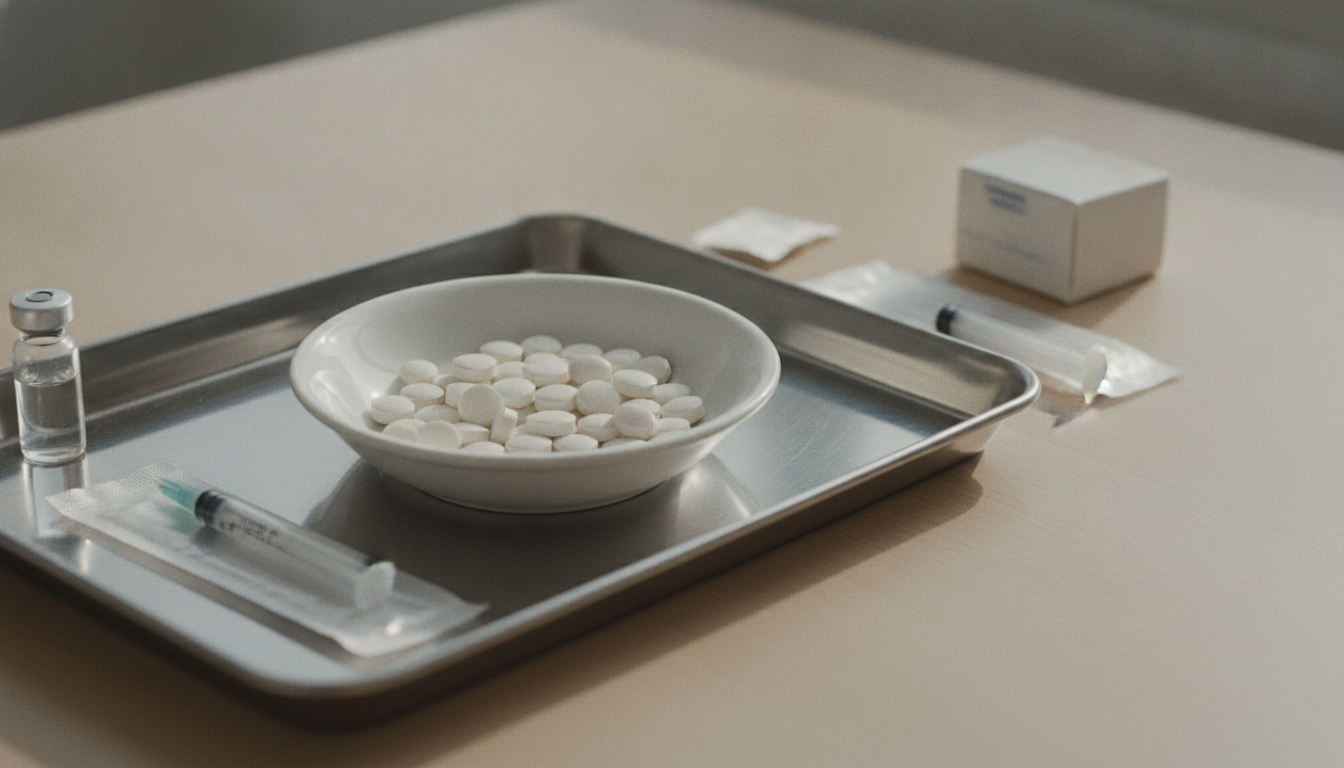
Prescriptions of leucovorin for autistic children rose significantly after media coverage and policy announcements, despite the FDA clarifying it's not approved for autism treatment. This reflects families' search for pharmacological options, though experts note current medications only address co-occurring conditions, not core autism traits, and underscore the importance of behavioral therapies and accommodations.
Cnn · today.ucsd.edu · autism.org · 1 week ago✦ 69/100
 Therapies & Treatment
Melatonin is widely used to support sleep in autistic children, but researchers emphasize the need for medical supervision and further study of long-term effects, especially for young children. Emerging studies aim to clarify optimal use alongside behavioral strategies.
Nature · Science media centre españa · ScienceDaily · 1 week ago✦ 75/100
 Therapies & Treatment
Recent studies affirm that early developmental support programs grounded in evidence can assist many autistic children in building communication and social interaction skills, particularly when initiated before age 3. However, individual responses differ substantially, with systemic access disparities continuing to limit timely support, while some families encounter misleading claims about unproven interventions.
Frontiers · News-medical · The BMJ · 1 week ago✦ 77/100
 Therapies & Treatment
A double-blind clinical trial found that targeted non-invasive brain stimulation led to measurable changes in social interaction and repetitive behaviors in autistic adults, representing the most carefully controlled test of this approach to date. Meanwhile, mouse studies and corporate probiotic claims show early but unverified avenues of research.
Nature · Newsnation · Ucla health · 2 weeks ago✦ 62/100
 Therapies & Treatment
Peer-reviewed research confirms autistic individuals show elevated prevalence of epilepsy, gastrointestinal disorders, and anxiety compared to non-autistic peers. These co-occurring conditions often intensify with age and may interact with autism-related traits, highlighting needs for comprehensive healthcare strategies.
Cambridge university press & assessment · University of cambridge · ScienceDirect · 2 weeks ago✦ 72/100
 Therapies & Treatment
A 2024 randomized controlled trial found telepractice (remote therapy via video) effectively trains communication partners to support nonspeaking autistic individuals using augmentative and alternative communication (AAC) systems. The study, published in the Journal of Speech, Language, and Hearing Research, highlights potential for increased access while noting the hybrid nature of successful implementation.
pubs.asha.org · tandfonline.com · PubMed · 2 weeks ago✦ 66/100
 Therapies & Treatment
Emerging studies reveal that autistic individuals are at a disproportionate risk of experiencing depression and suicidal thoughts, primarily due to co-occurring mental health conditions and social isolation—not autism itself. Tailored interventions, including digital tools and modified safety planning, show promise in addressing these risks.
Frontiers · Psypost · PubMed · 2 weeks ago✦ 72/100
 Therapies & Treatment
Recent research examines novel supports for autistic individuals with minimal verbal speech, including personalized neuromodulation and early communication interventions. However, systemic exclusions in study populations—particularly those with intellectual disabilities—limit applicability of findings for those needing the most tailored supports.
Nature · drexel.edu · PubMed · 2 weeks ago✦ 66/100