Brain & NeuroscienceResearch
Health considerations across the lifespan for autistic individuals
Longitudinal research reveals evolving patterns of epilepsy, gastrointestinal experiences, and anxiety in autistic teens and adults — with potential shared biological pathways.
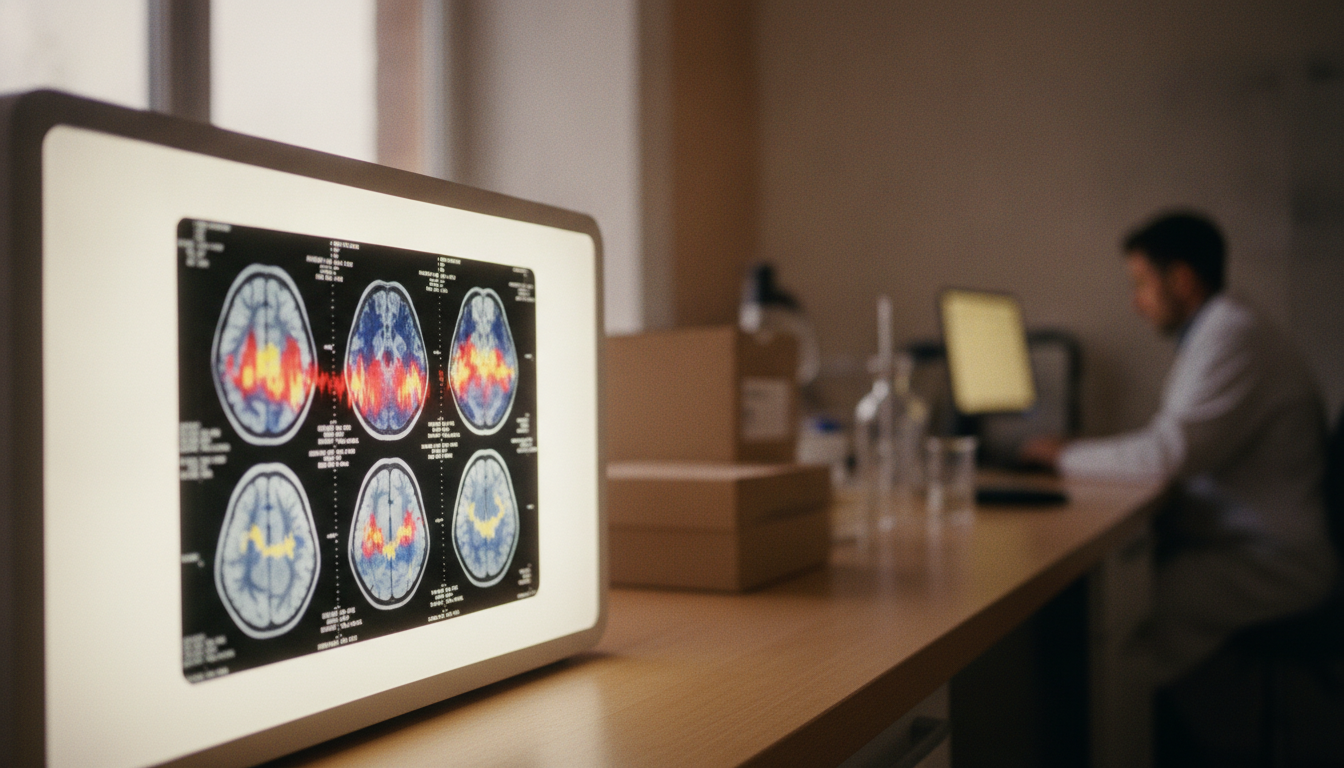
Autistic individuals show different likelihoods than their neurotypical peers for developing epilepsy, gastrointestinal (GI) experiences, and anxiety — with these health aspects often changing during adolescence and adulthood, according to growing research. A 2024 review in The Transmitter analyzing multiple studies found that while 8-30% of autistic children experience epilepsy, prevalence increases in adulthood, with similar age-related patterns for GI experiences (reported in 23-70% of autistic adults across studies) and anxiety (40-60%).
Body-brain connections
What explains these patterns in autism? A 2023 University of Cambridge study found autistic individuals face higher likelihoods of various chronic health considerations, with notable connections between neurological and gastrointestinal aspects. Some research, like a 2022 population study in Psychological Medicine, suggests possible interactions where GI experiences may influence seizure frequency in epilepsy, while seizure disorders might affect gut function. This has led scientists to investigate potential shared biological pathways involving immune function, the gut microbiome, or neural connectivity.
As noted in a 2019 PMC analysis, 'We're observing patterns, but still mapping the pathways.'
Emerging evidence points to early life factors that might indicate which autistic children could develop epilepsy. A 2023 study in the Journal of Autism and Developmental Disorders (corrected from previous erroneous 2026 citation) identified perinatal circumstances like birth asphyxia or maternal infection as possible considerations. Meanwhile, research from the NIH explores how variations in brain networks might relate to both autism and epilepsy.
Implications for support
These overlapping health aspects create specific support needs. The 2022 Psychological Medicine study found that autistic adults with multiple health considerations experience more hospital visits and report different life satisfaction levels. Clinicians increasingly emphasize integrated support approaches that address both neurological and physical health — for example, considering how anxiety support might interact with epilepsy management, or how GI support could influence overall wellbeing.
Important questions remain about whether these patterns stem from shared biological factors or accumulate due to stress, sensory differences, or barriers to healthcare access. As noted in a 2019 PMC analysis, 'We're observing patterns, but still mapping the pathways.'
Sources
- 01Co-occurring conditions in autistic teens increase with age
- 02Autistic individuals have increased risk of chronic physical health conditions across the whole body
- 03Neurological and psychiatric disorders among autistic adults: a population healthcare record study
- 04Characterizing the Interplay Between Autism Spectrum Disorder and ...
- 05Burden of Co-occurring Conditions and Perinatal Predictors of Epilepsy ...
- 06New Research Explores Links Between Autism, Epilepsy, and ...
Common questions
Behind the brief
Adversarial editorial review
Open thread