 Brain & Neuroscience
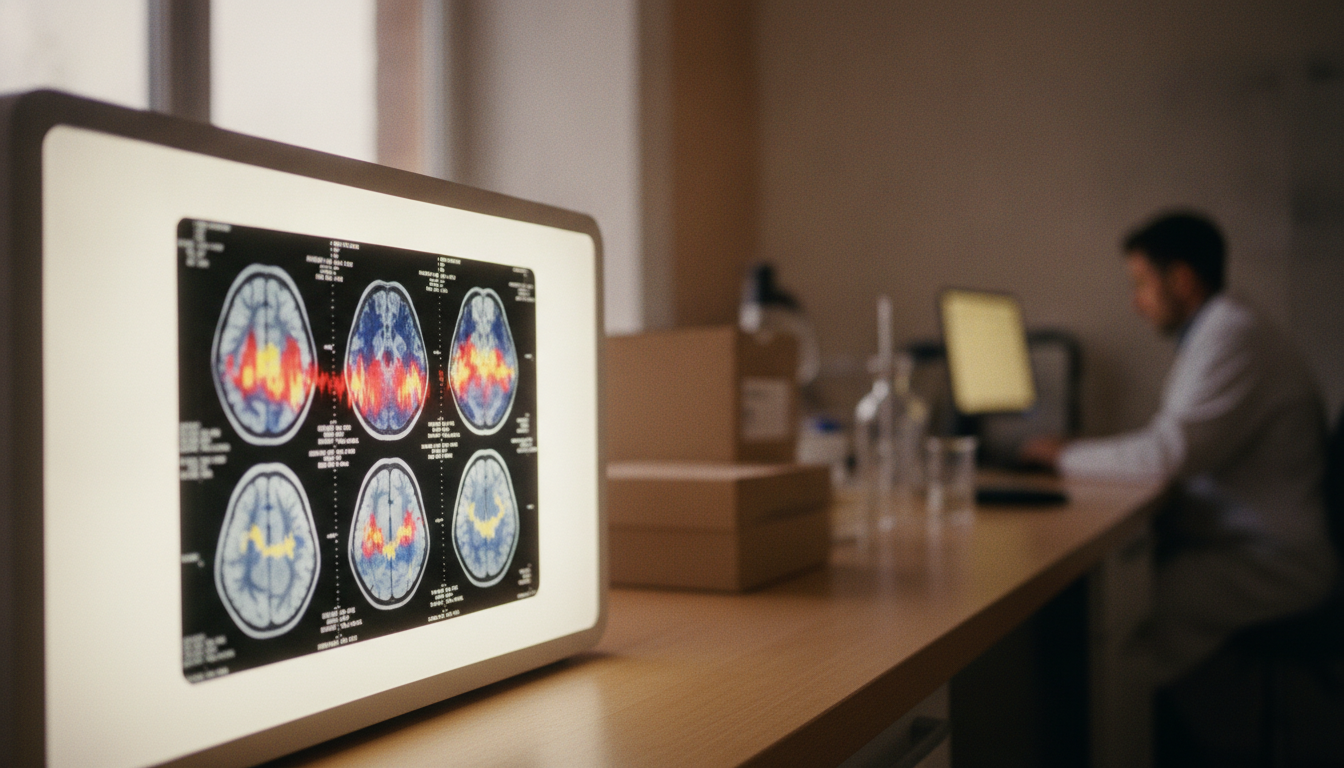
A 2026 study in Nature Neuroscience using functional MRI (fMRI) identified two neural connectivity patterns among autistic participants: one involving reduced synaptic communication and another with heightened immune-linked signaling. The findings, which require replication in more diverse samples, could eventually contribute to personalized support frameworks—though experts stress this remains exploratory and does not reflect current clinical practice.
Nature · Psypost · childmind.org · 1 day ago✦ 65/100
 Brain & Neuroscience
Recent research illuminates how sensory processing differences — reported by many autistic individuals — interact with social functioning, emotional well-being, and cross-cultural communication. Key 2025-2026 studies explore executive function as a potential mediator, identify neural connectivity patterns, and examine how cultural context shapes interpretations of autistic communication styles.
Frontiers · Nature · Psypost · 3 days ago✦ 71/100
 Brain & Neuroscience
Emerging studies suggest a connection between gut microbiome composition and autism, though the nature of this link is still debated. While some researchers point to potential dietary influences, others caution against overstating the findings.
Nature · Science · Medscape · 3 days ago✦ 68/100
 Brain & Neuroscience
Recent high-quality studies strengthen evidence that maternal immune activation during pregnancy — from infections, inflammation, or air pollution — correlates with increased autism likelihood in offspring, while clarifying biological mechanisms and environmental interactions.
Nature · Simons foundation autism research initiative | sfari · PubMed · 4 days ago✦ 70/100
 Brain & Neuroscience
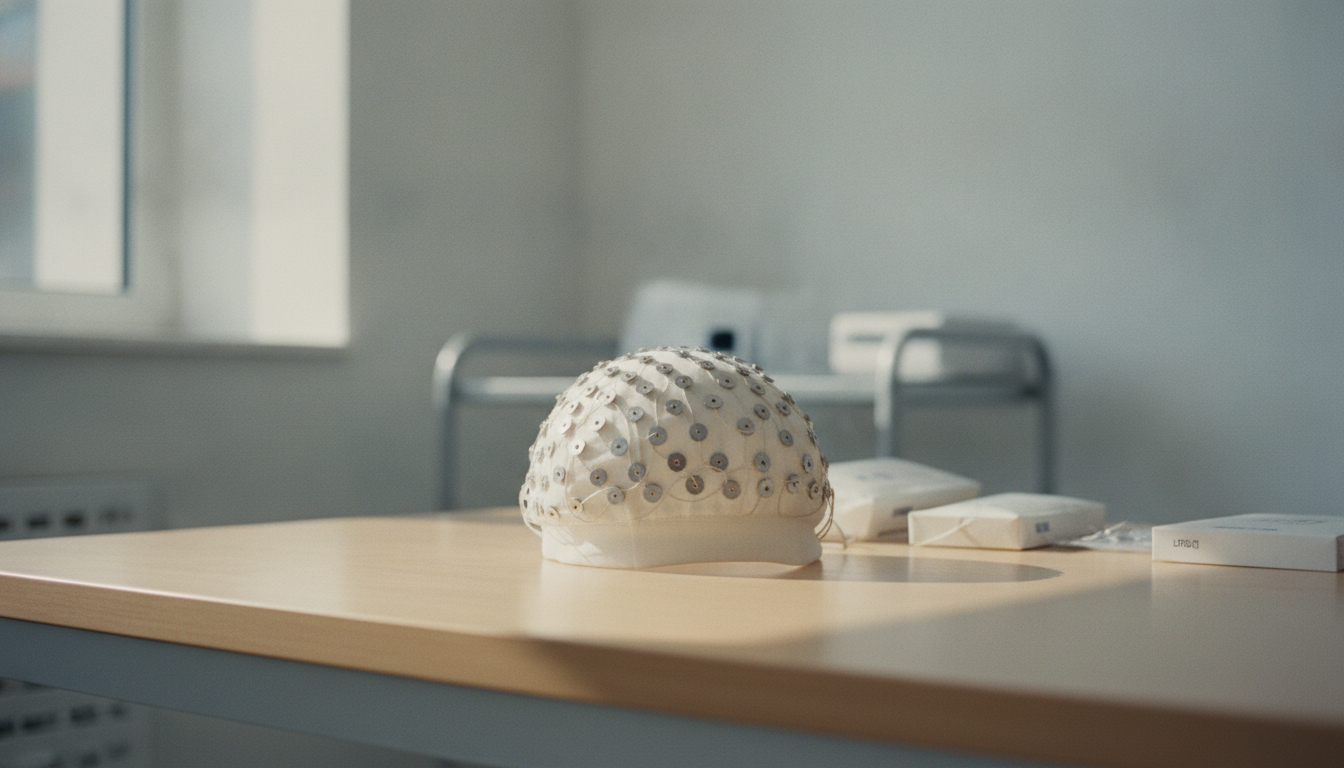
Recent studies investigate why autism frequently coincides with conditions like epilepsy, gastrointestinal differences, and anxiety. While shared biological pathways and early-life factors may play a role, researchers emphasize the need to consider environmental influences and individual variability. These insights could inform more personalized approaches to care while respecting neurodiversity.
Cambridge university press & assessment · ScienceDirect · doi.org · 5 days ago✦ 66/100
 Brain & Neuroscience
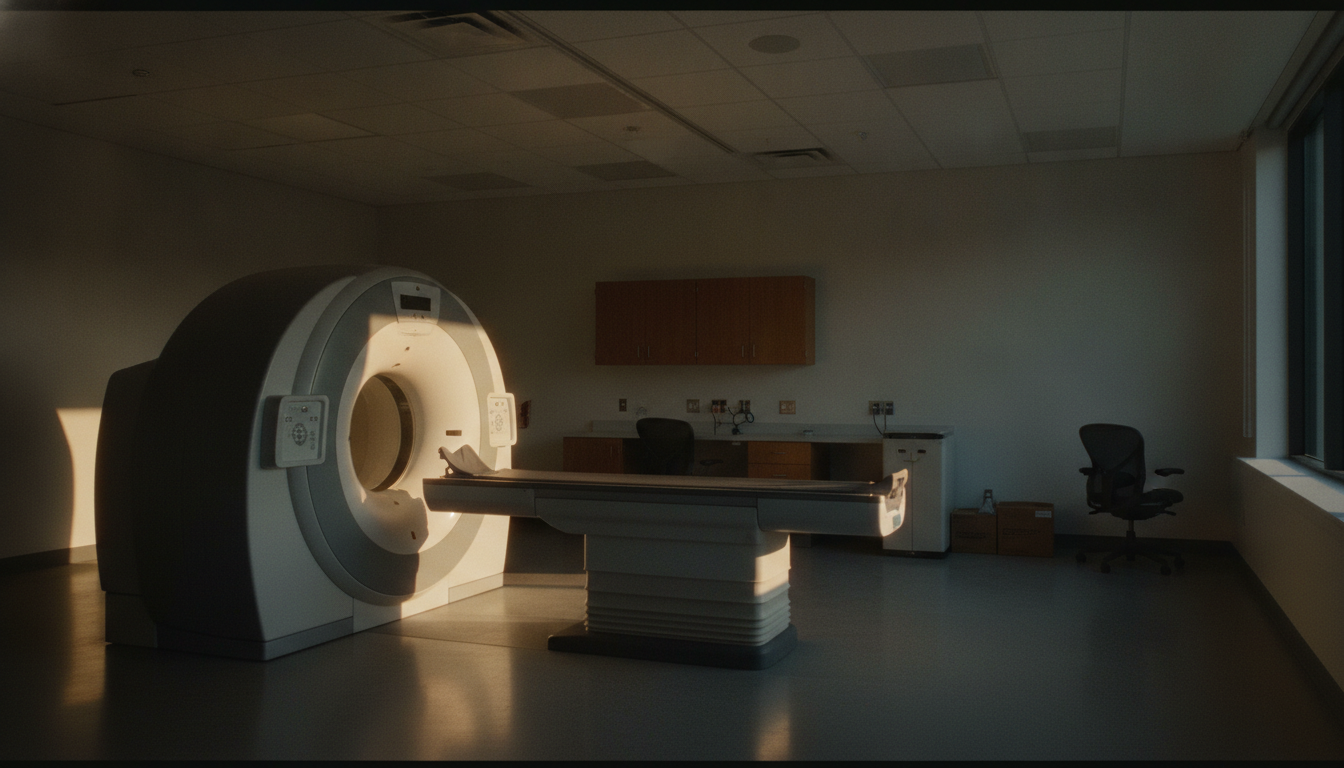
A study published in Nature Neuroscience has observed two differing patterns of brain connectivity in autistic individuals through advanced imaging techniques. The findings, which were cross-validated with mouse model data, contribute to growing understanding of autism's biological diversity while underscoring the preliminary nature of such subtyping approaches.
Nature · Neuroscience news · Psypost · 5 days ago✦ 74/100
 Brain & Neuroscience
Recent studies reveal that gut microbiome differences in autistic children may be driven more by dietary habits and shared family environments than by autism directly. While correlations exist, critics argue the evidence for causality is weak and confounded by methodological issues.
Nature · Science · Medscape · 6 days ago✦ 64/100
 Brain & Neuroscience
Recent studies contribute to our understanding of how prenatal environmental factors—particularly maternal immune activation and fine particulate air pollution—may interact with genetic predispositions to influence neurodevelopmental diversity. This research identifies potential biological pathways and critical exposure windows, though clinical applications remain under investigation.
Nature · PubMed · ScienceDirect · 1 week ago✦ 69/100
 Brain & Neuroscience
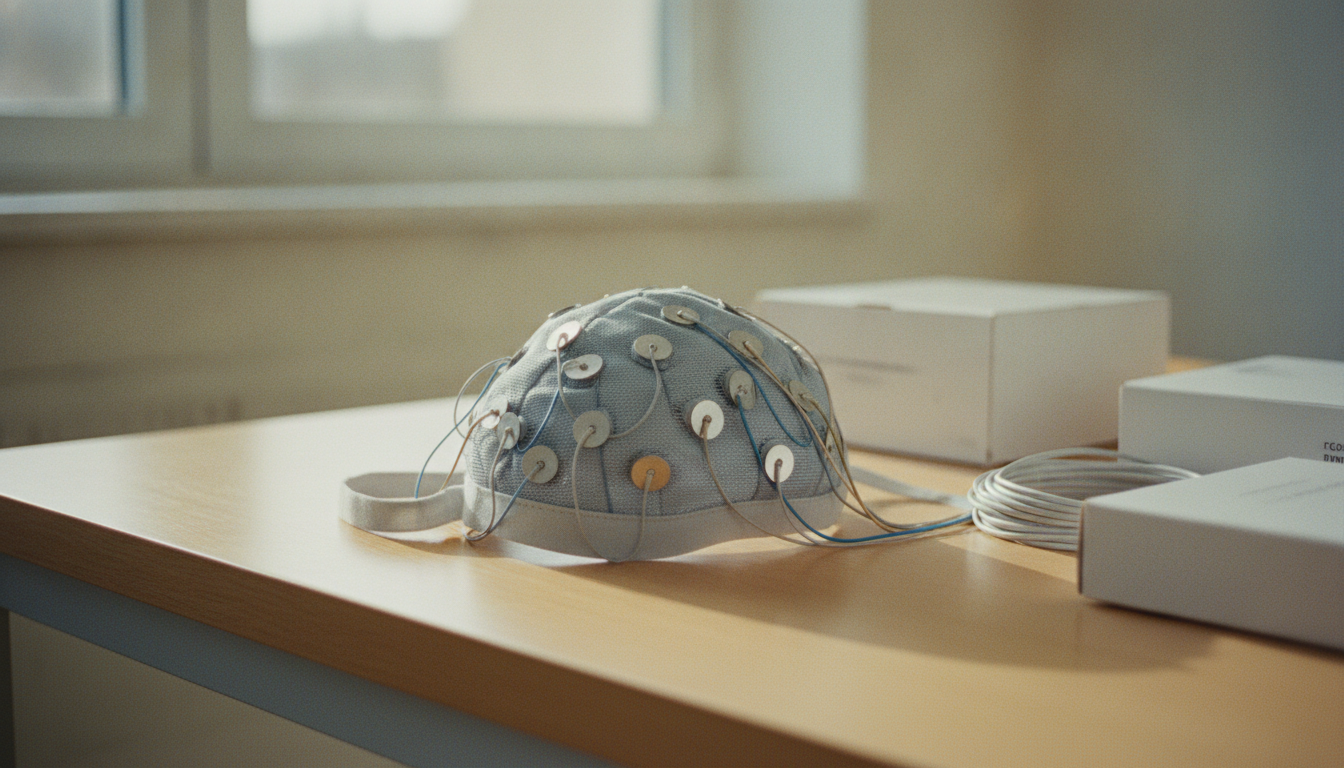
Emerging research is deepening our understanding of how autism intersects with frequently co-occurring conditions like epilepsy, gastrointestinal disorders, and anxiety. Recent studies suggest these connections may involve shared biological mechanisms, while highlighting the importance of holistic care approaches for autistic individuals.
Autism spectrum news · The transmitter · Cambridge university press & assessment · 1 week ago✦ 74/100
 Brain & Neuroscience
Research published in Nature Neuroscience identifies two patterns of brain connectivity in autism, one related to synaptic communication and another linked to immune-related activity. The findings highlight autism's biological diversity and may inform future support approaches, though clinical applications remain distant.
Nature · Eurekalert! · Psypost · 1 week ago✦ 64/100
 Brain & Neuroscience
Emerging research identifies early neural markers and cross-cultural dynamics in autism sensory processing, offering insights into developmental patterns and social implications. Key findings include cortical excitation/inhibition balance associations in infancy predicting sensory responsivity, sensory gating patterns correlating with developmental trajectories, and sensory processing differences influencing aesthetic preferences. Cross-cultural research also highlights how societal norms shape autistic social communication experiences.
Frontiers · Nature · Psypost · 1 week ago✦ 66/100
 Brain & Neuroscience
Recent high-impact studies are reshaping understanding of gut microbiome differences in autism, highlighting dietary habits and shared environments as key factors. Family-based research shows autistic children and their non-autistic siblings often share similar gut microbiomes, while selective eating patterns strongly correlate with microbial variations. Findings urge caution in interpreting microbiome-autism links and underscore the need for methodological rigor.
Nature · Medscape · Science · 1 week ago✦ 66/100
 Brain & Neuroscience
Recent studies contribute to understanding how prenatal immune activity and environmental factors may interact with genetic predispositions in autism development. Findings highlight biological pathways while underscoring the need for cautious interpretation of observational data.
Nature · PubMed · ScienceDirect · 1 week ago✦ 75/100
 Brain & Neuroscience
A new neuroimaging study examines potential biological variations underlying autism's diversity, finding distinct neural connectivity patterns that align with different developmental pathways. The findings, while preliminary, contribute to understanding autism's neurobiological complexity.
Nature · Psypost · childmind.org · 2 weeks ago✦ 59/100
 Brain & Neuroscience
Recent research highlights the role of sensory processing differences in autism, linking them to social cognition, intimate relationships, and aesthetic preferences. Findings reveal cultural variations in perception, early neural patterns, and gender disparities in sensory-related challenges.
Frontiers · Nature · Psypost · 2 weeks ago✦ 78/100
 Brain & Neuroscience
High-impact studies published in late 2025 are reshaping our understanding of the gut microbiome's role in autism. The research reveals that gut microbiome differences in autistic children are often shared with family members, pointing to genetics and shared environment as key factors. While associations between gut health and autism exist, the evidence for a direct causal link remains weak, with diet and methodological biases emerging as major confounders.
Nature · Science · Neuroscience news · 2 weeks ago✦ 67/100
 Brain & Neuroscience
Recent studies add to evidence that maternal immune activation during pregnancy and exposure to air pollution may correlate with later autism identification in offspring, with findings pointing to trimester-specific patterns. These environmental factors appear to interact with genetic predispositions in shaping neurodevelopmental outcomes.
Nature · PubMed · ScienceDirect · 2 weeks ago✦ 58/100
 Brain & Neuroscience
Emerging research clarifies why conditions like epilepsy, gastrointestinal differences, and anxiety frequently co-occur with autism. A 2025 study examines clinical links between autism and epilepsy, while other work explores gut-neurology connections. Population data confirms these conditions are more common in autistic individuals than neurotypical peers, though causality remains unclear.
Cambridge university press & assessment · PubMed · MDPI · 2 weeks ago✦ 73/100
 Brain & Neuroscience
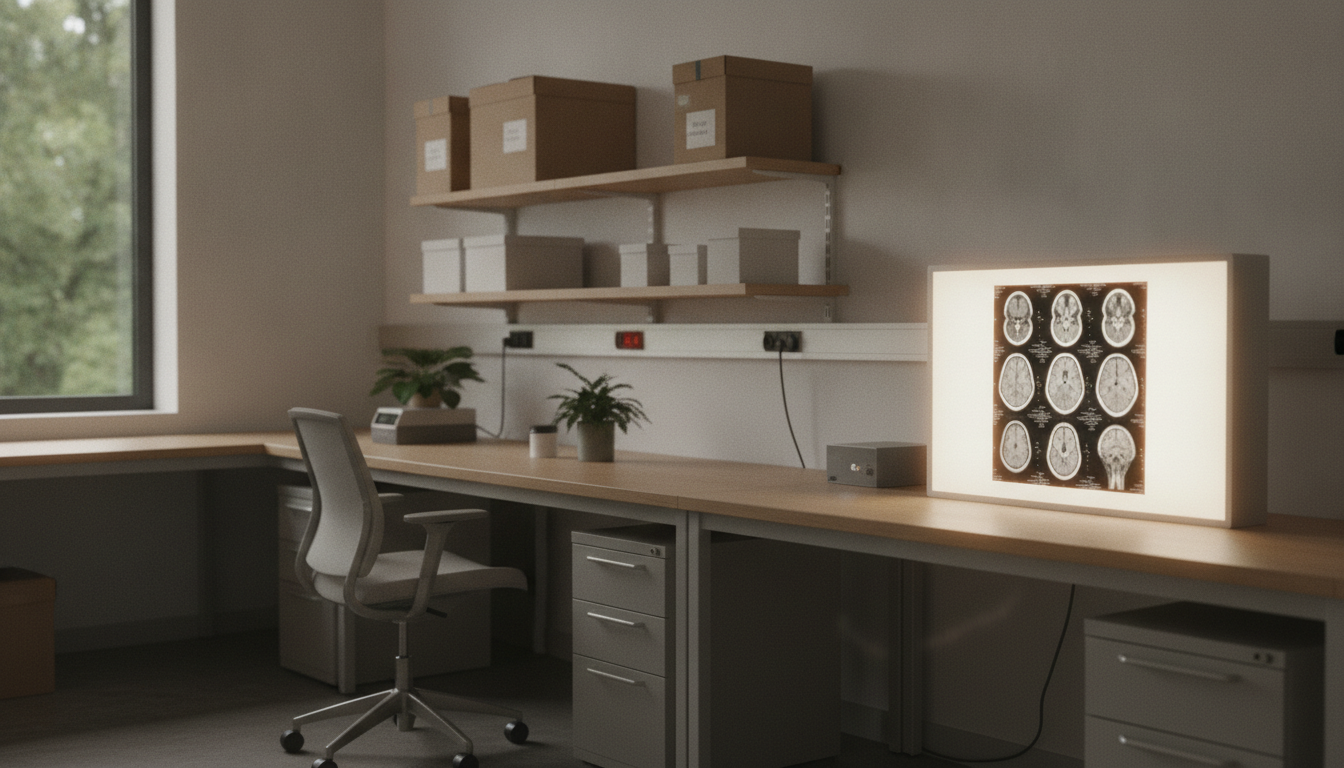
A 2026 study in Nature Neuroscience used cross-species brain imaging to identify two autism profiles with distinct biological signatures—one marked by synaptic under-connectivity and another by immune-related over-connectivity. The findings, while preliminary, may eventually inform personalized support strategies.
Nature · Neuroscience news · Psypost · 2 weeks ago✦ 66/100
 Brain & Neuroscience
Recent research advances our understanding of how sensory processing differences—a common but highly variable feature for autistic individuals—affect diverse life domains, from relationships to aesthetic choices. Studies also identify potential early neurobiological indicators, including in the eye's retina.
Frontiers · Nature · Journal of neuroscience · 3 weeks ago✦ 71/100