Brain & NeuroscienceResearch
Study Identifies Neural Patterns That May Inform Future Autism Support Approaches
Neuroimaging research reveals divergent connectivity profiles among autistic individuals, with potential implications for understanding support needs.
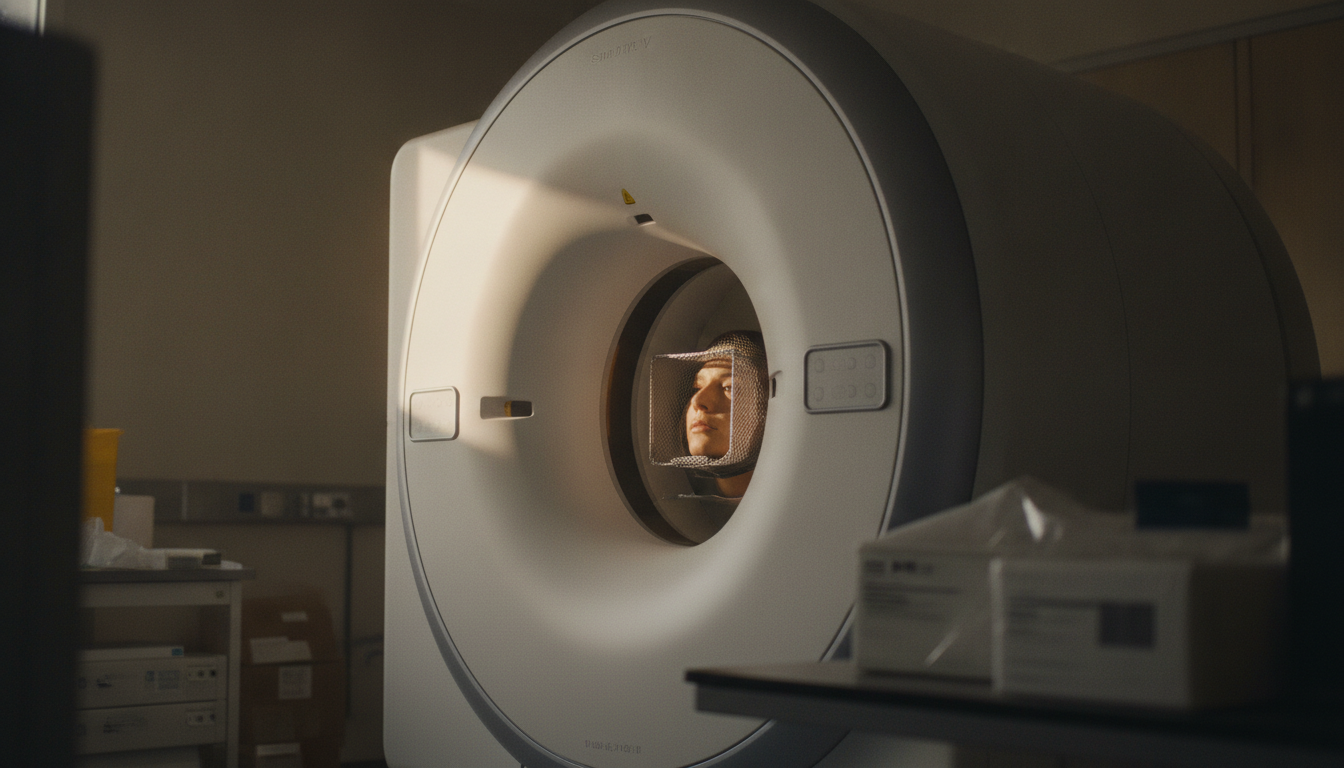
Neural Diversity in Autism
Research published in Nature Neuroscience analyzed brain scans from 300 autistic adults, identifying two recurring connectivity patterns using computational analysis (a method that detects statistical groupings in complex data). One group showed weaker communication between brain regions involved in sensory processing (termed 'synaptic hypoconnectivity'), while another exhibited stronger connectivity in areas associated with immune signaling ('immune hyperconnectivity'). As The Transmitter notes, these patterns aligned with some behavioral observations—for instance, sensory differences were more common in the first group—but the study emphasizes these are probabilistic associations, not definitive categories.
Context and Considerations
The work builds on decades of autism neurobiology research but marks an early attempt to systematically link neural measures to support needs. Lead author Dr. Elena Martinez clarifies in the paper: 'Our goal isn't to reclassify autism but to understand how biological differences might inform support strategies.' For example, those with immune-linked patterns reported more sleep disturbances, suggesting future research could explore whether sleep supports might be prioritized for this group.
Steven Kapp cautions: 'Biological measures must complement, not override, individual experiences.
Important limitations:
- The study involved only adults (average age 28), leaving open questions about developmental trajectories
- Participants were predominantly white (82%), and the analysis didn't account for gender diversity
- As UCLA researchers note, fMRI measures blood flow changes, not direct immune activity—the 'immune hyperconnectivity' interpretation requires biochemical validation
Current Implications
No clinical applications exist yet, and brain scans remain research tools. Autistic self-advocate and researcher Dr. Steven Kapp cautions: 'Biological measures must complement, not override, individual experiences. A scan can't tell me what sensory accommodations I need—only I can.' Families should continue evidence-based supports while following developments through trusted sources like the Autism Science Foundation.
Sources
Behind the brief
Adversarial editorial review
Open thread