Brain & NeuroscienceResearch
New Research Explores Link Between Maternal Immune Activation and Autism Development
Primate studies and large human cohorts illuminate biological mechanisms and environmental factors that may influence neurodevelopmental trajectories.
The Immune Connection
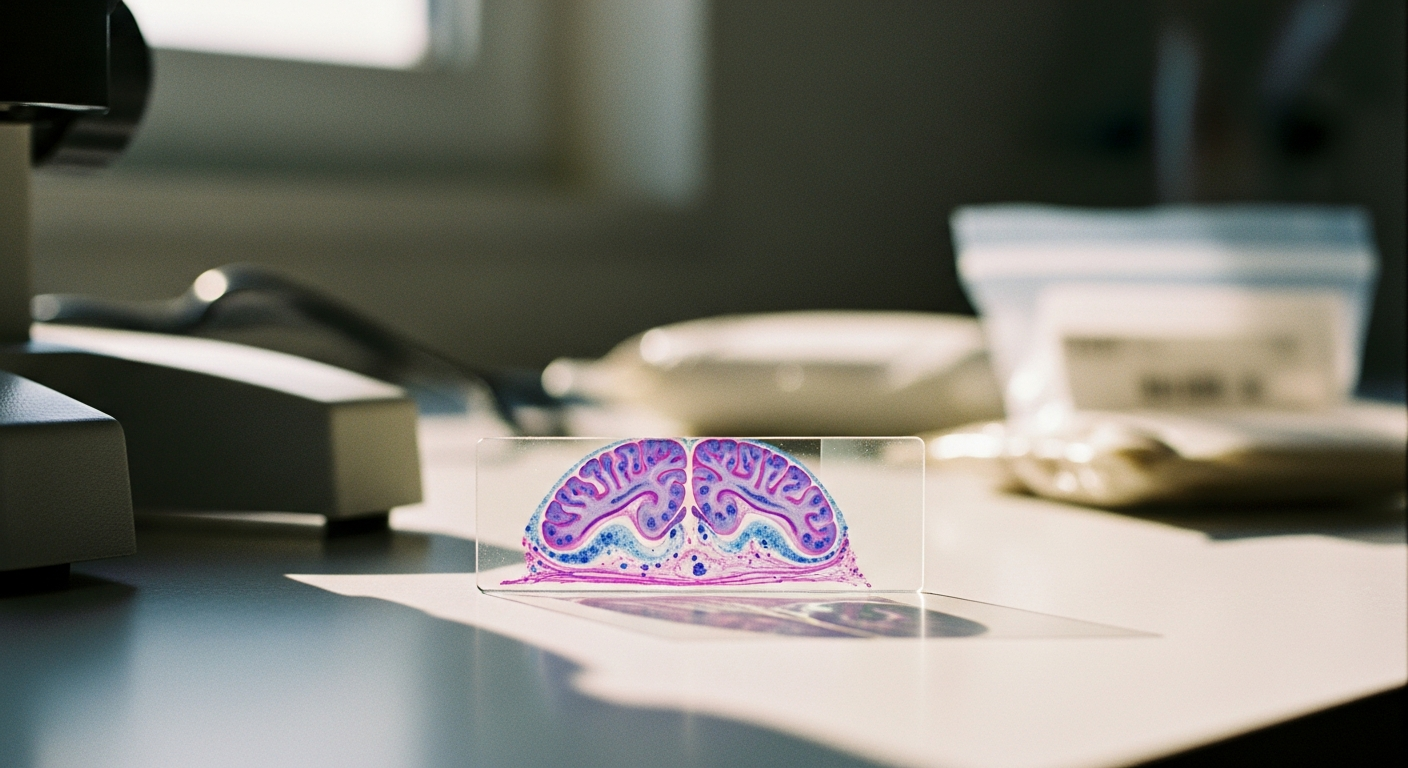
A growing body of research is examining the relationship between maternal immune activation (MIA) during pregnancy and neurodevelopmental differences in offspring, including autism. MIA refers to the mother's immune system being activated by infections, inflammation, or autoimmune conditions, which can influence fetal brain development. A study in Nature using primate models found that MIA causes lasting changes in gene expression in the amygdala, a brain region involved in social and emotional processing. These findings suggest that immune activation can contribute to neurodevelopmental diversity.
Biomarkers and Environmental Factors
Human studies are also providing valuable insights. Research published in JAMA Network Open found that altered levels of immune molecules in maternal blood and umbilical cord at birth were associated with later autism diagnoses. This raises the possibility of developing early supports for neurodevelopmental differences. Meanwhile, a Nature study analyzing birth cohort data highlighted the role of prenatal and birth factors in autism development, further emphasizing the importance of the prenatal environment.
These findings suggest that immune activation can contribute to neurodevelopmental diversity.
Interestingly, recent analyses have shown that postnatal ozone exposure may have a stronger association with autism than prenatal pollution, suggesting that the window of neurodevelopmental sensitivity extends beyond pregnancy. This shifts the focus to broader developmental periods and the interplay between genetic and environmental factors.
Consensus and Community Perspectives
The evidence for MIA as a factor in neurodevelopmental diversity is robust, with multiple studies converging on this conclusion. A review in PubMed consolidates these findings, emphasizing the interaction between maternal immune activation and genetic predispositions. However, autistic self-advocates caution against framing these findings solely in terms of risk or deficit. As highlighted by Autism.org, understanding these mechanisms can lead to better supports without pathologizing neurodiversity.
Sources
- 01Prenatal and birth factors associated with child autism diagnosis: a birth cohort perspective
- 02Prenatal maternal immune activation triggers lasting cell-specific transcriptomic dysregulation in the amygdala of primate offspring | Molecular Psychiatry
- 03A critical prenatal risk factor for autism spectrum disorder - PubMed
- 04Prenatal Exposure to Fine Particulate Matter Components and ...
Common questions
Behind the brief
Adversarial editorial review
Open thread