Brain & NeuroscienceResearch
New Studies Explore the Complex Link Between Gut Health and Autism
Research suggests dietary habits may influence gut microbiome patterns in autistic children, but critics caution against oversimplifying the connection.
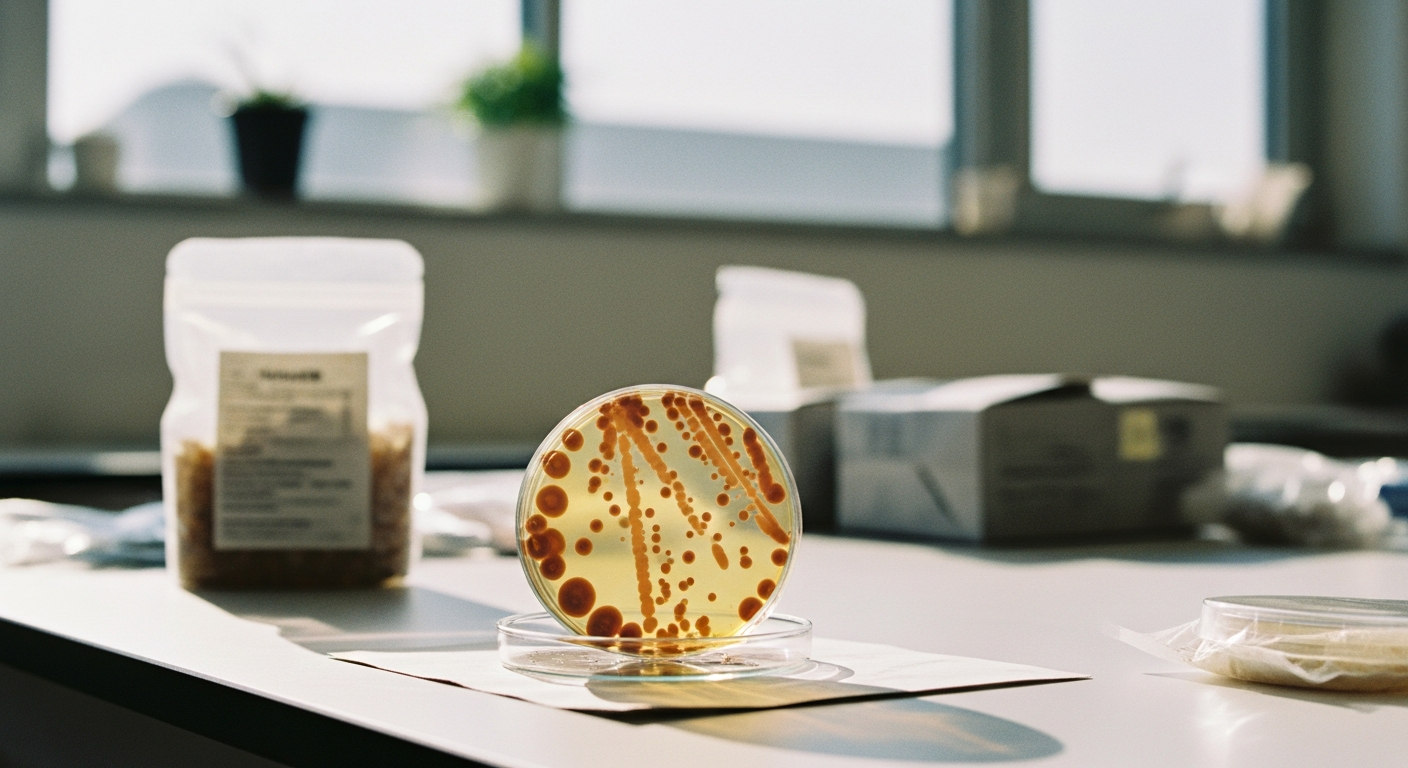
The gut microbiome—the community of bacteria, viruses, and fungi living in our digestive tracts—has long been a topic of interest in autism research. A December 2025 study in Nature found that autistic children and their siblings share similar gut microbiome patterns, suggesting that environmental or dietary factors, rather than autism itself, may drive these differences. Another Nature study published the same month highlighted the strong correlation between selective eating habits and gut inflammation markers in autistic children.
The Diet Connection
Selective eating is common among autistic individuals, often due to sensory sensitivities. This can lead to diets low in fiber and high in processed foods, which may alter gut bacteria and contribute to inflammation. The Nature study found that these dietary habits were more predictive of gut microbiome differences than an autism diagnosis itself. This raises questions about whether microbiome changes are a cause or a consequence of autism-related behaviors.
A November 2025 critique in Science pointed out that many studies fail to control for diet, medication use, or other confounding factors.
Critics Push Back
Despite these findings, some researchers argue that the gut-autism hypothesis is overstated. A November 2025 critique in Science pointed out that many studies fail to control for diet, medication use, or other confounding factors. The authors noted that when these variables are accounted for, differences between autistic and neurotypical gut microbiomes often disappear. Similarly, a Medscape article questioned whether the gut-autism hypothesis is a 'dead end,' given the lack of consistent evidence for causal mechanisms.
Overlapping Conditions
Another complicating factor is that gut microbiome alterations aren’t unique to autism. Similar patterns have been observed in ADHD and eating disorders, suggesting these changes may reflect broader neurodevelopmental or dietary influences. Meanwhile, a September 2025 study highlighted by Neuroscience News found that persistent gastrointestinal issues in autistic children are closely tied to behavioral and sensory challenges, further blurring the line between cause and effect.
The Bottom Line
While the gut microbiome may play a role in autism, the evidence so far points to a complex interplay of diet, environment, and genetics—not a simple cause-and-effect relationship. Researchers caution against jumping to conclusions or investing in unproven microbiome-based therapies without more rigorous evidence.
Sources
- 01Gut microbiota analysis in children with autism spectrum disorder and their family members
- 02Distinct diet-microbiome associations in autism spectrum disorder
- 03Research linking gut microbes to autism is deeply flawed, critics say
- 04Is the Gut-Autism Hypothesis a ‘Dead End'?
- 05Gut Problems in Autism Linked to Sleep, Behavior, and Sensory Challenges
Common questions
Behind the brief
Adversarial editorial review
Open thread